
Did you know nearly 30% of Americans don’t know how their financial profiles affect their borrowing power? Your financial reputation is key to big life milestones like buying a home or getting a low-interest auto loan.
Learning how credit scores work is crucial for managing your finances. In the U.S., lenders use these numbers to judge your reliability and risk. Knowing what affects these scores lets you shape your financial future.
By taking proactive steps today, you can boost your borrowing power and financial freedom. Smart money habits can change your financial life and open new doors. Let’s look at key strategies to strengthen your financial base.
Key Takeaways
- Your financial rating is key for lenders to judge your reliability.
- Small, consistent actions can lead to big improvements in borrowing power.
- Knowing what affects your rating helps you make smart financial choices.
- Managing your accounts well is crucial for long-term financial freedom.
- Building a strong reputation takes time, but the future benefits are huge.
Understanding How Credit Scores Work
Understanding credit scores is key to your financial future. The system might seem complex, but it’s a way for lenders to check your risk.
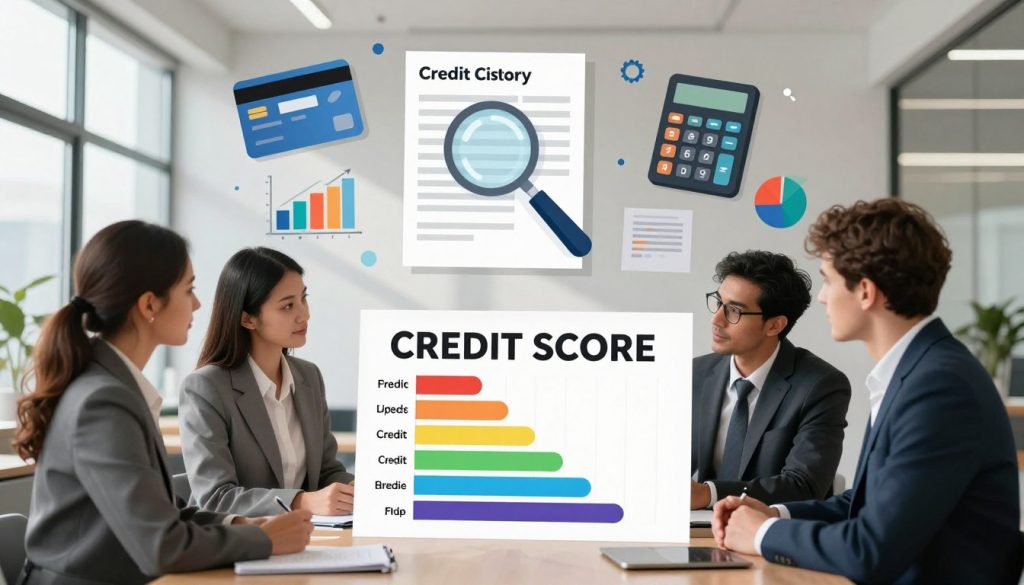
The Core Components of FICO Score Calculation
The FICO score calculation is used by most lenders in the U.S. It looks at five main credit score factors to judge your creditworthiness.
- Payment History (35%): Your record of paying bills on time.
- Amounts Owed (30%): How much credit you’re using compared to what’s available.
- Length of Credit History (15%): How long your accounts have been open.
- New Credit (10%): Recent inquiries or new accounts.
- Credit Mix (10%): The variety of credit types you manage.
Why Your Credit Score Matters for Financial Opportunities
The importance of credit scores is huge when you apply for big purchases. A high score means you’re reliable, leading to lower interest rates on loans.
Keeping a strong score saves you thousands in interest over time. But a low score can limit your options or make borrowing very expensive.
Breaking Down the Credit Score Range
The standard credit score range is 300 to 850. Knowing your score helps you set financial goals.
| Score Range | Rating | Financial Impact |
|---|---|---|
| 800–850 | Exceptional | Best interest rates |
| 670–739 | Good | Favorable terms |
| 300–579 | Poor | Limited access |
Striving for a “Good” or “Exceptional” score is wise for your financial future. By watching your score, you can improve it over time.
Debunking Common Credit Score Myths
Understanding personal finance can feel like a maze of old information and myths. Many believe false things about how their financial history is tracked. This can cause a lot of stress. Understanding credit scores is key to taking control of your financial future.
Separating Fact from Fiction Regarding Credit Checks
One big credit score myth is about the difference between inquiry types. A hard inquiry happens when a lender checks your report for a loan. This can slightly lower your score because it shows you’re looking for new debt.
On the other hand, soft inquiries happen when you check your own report or when a company checks it for pre-approved offers. These don’t affect your score. Knowing the difference helps you avoid unnecessary worry.
Understanding the Impact of Checking Your Own Score
You might think checking your report often will hurt your score, but it won’t. Checking your own score is a soft inquiry and is a highly recommended habit. It helps you catch errors early and track your progress.
| Inquiry Type | Impact on Score | Who Initiates It |
|---|---|---|
| Hard Inquiry | Minor, temporary dip | Lenders (Banks, Auto loans) |
| Soft Inquiry | No impact | You, Employers, Pre-approvals |
| Self-Monitoring | No impact | Individual consumers |
Knowledge is your best tool for a strong financial profile. Don’t let false information stop you from being proactive. Regularly checking your data helps you stay on track for your long-term goals.
Actionable Strategies to Improve Your Credit Score Quickly
Improving your credit score quickly is possible with the right focus. By taking action today, you can change your financial situation. This opens doors to better interest rates.
Managing Your Payment History Effectively
Your payment history is key to your credit profile. Lenders look for reliable and consistent financial habits.
Use automatic payments or set reminders to avoid late fees. A single late payment can hurt your score. Staying on top of payments is crucial for success.
“The secret of getting ahead is getting started.”
Optimizing Your Credit Utilization Ratio
Your credit utilization ratio shows how much credit you use. Keeping this low can quickly boost your score.
Try to keep balances under 30% of your total limits. Lowering this ratio can improve your credit health even more.
Tips for Paying Down High-Interest Balances
High-interest debt can weigh heavily on your finances. Here are ways to tackle these balances:
| Strategy | Best For | Primary Benefit |
|---|---|---|
| Debt Avalanche | High-interest rates | Saves money on interest |
| Debt Snowball | Small balances | Builds psychological momentum |
| Balance Transfer | Consolidation | Simplifies monthly payments |
Diversifying Your Credit Mix Responsibly
Lenders value a variety of credit types to gauge your responsibility. A mix of revolving and installment loans shows you can handle different financial products.
But only open new accounts when it fits your budget. Applying for too many at once can harm your score. Focus on managing what you have to keep your credit strong.
Conclusion
Getting a great credit score takes time and effort. You now know how to handle FICO scores and what lenders look for. This knowledge will help you feel more confident.
Building a good credit history with lenders like Chase or American Express is a slow process. Think of it as a long-term investment, not a quick fix. Making small, steady changes can have a big impact on your credit score.
Make sure to set up automatic payments to avoid late fees. Keep your credit card balances low to show lenders you can manage your money well. Also, check your credit reports from Equifax, Experian, and TransUnion often to catch any mistakes.
You have the power to improve your financial future. Start using these tips today to get better interest rates and access to top credit cards. Let us know how you’re doing or if you need help on your journey to financial freedom.